Key takeaways
- A professional flake or polyaspartic system lasts 15 to 20+ years; a DIY kit often fails in 1 to 3 years.
- Surface prep is the single biggest factor in how long a floor lasts.
- Hot-tire pickup, UV exposure, and moisture are the most common causes of premature failure.
- A real coating is mechanically bonded to ground concrete — not just painted on top.
The honest answer to 'how long does a garage floor coating last?' is: it depends entirely on how it was installed. We have seen 18-year-old professional floors that still look great, and we have torn out DIY kits that failed before their first Colorado winter was over. The coating product is only part of the story — the prep and the install determine the rest.
Typical lifespan by system
- Big-box DIY epoxy kit: 1 to 3 years before peeling, bubbling, or hot-tire lift.
- Single-coat professional epoxy: 5 to 10 years.
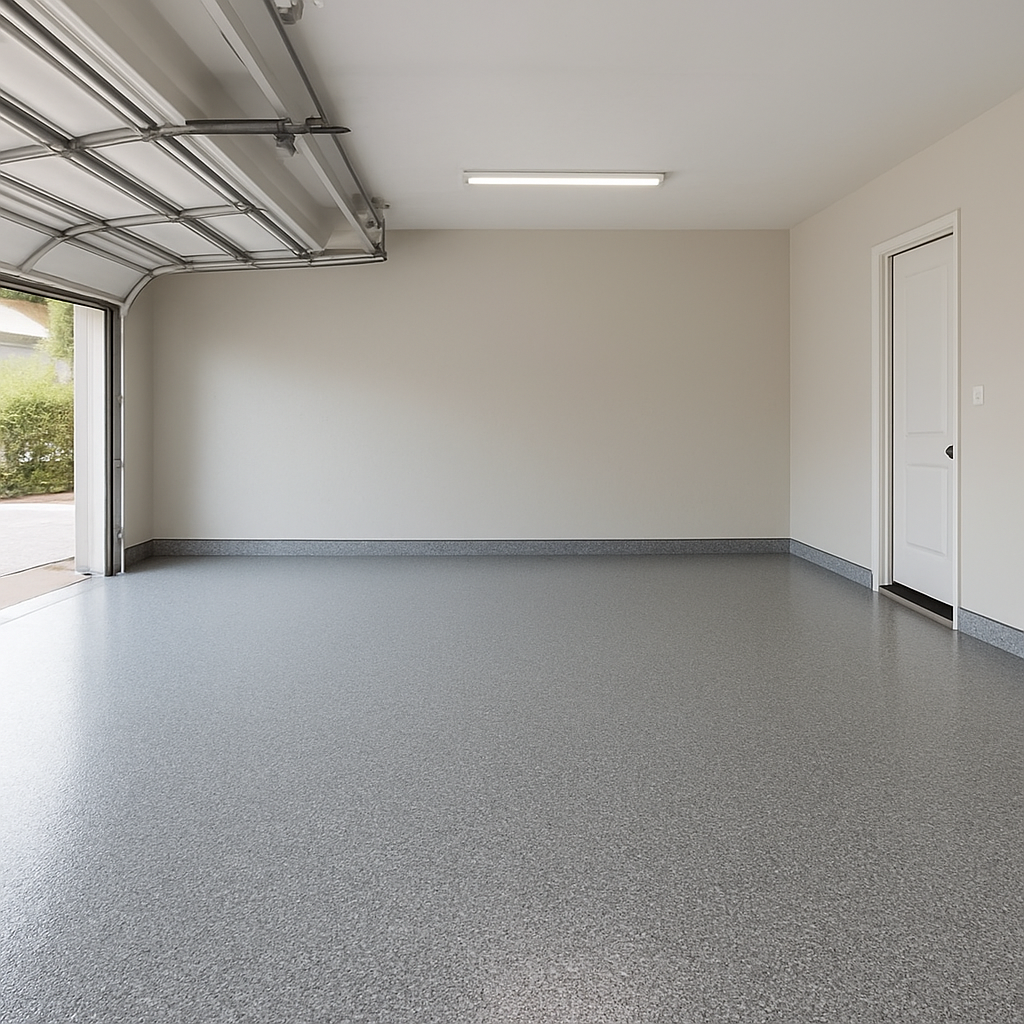
- Full epoxy flake system with polyaspartic topcoat: 15 to 20+ years.
- Full polyaspartic system: 20+ years, with excellent UV and chemical resistance.
Why prep determines lifespan
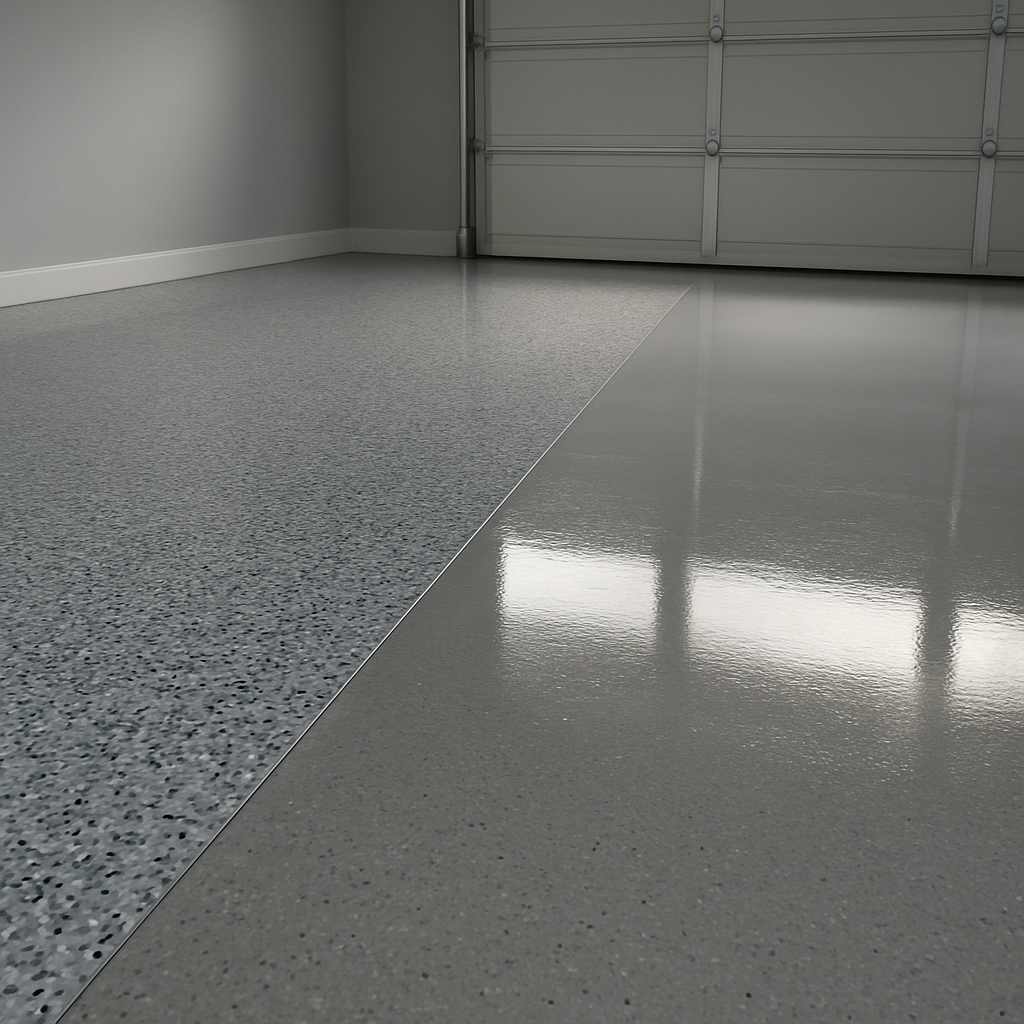
A coating is only as good as its bond to the concrete. Concrete is porous and often sealed or contaminated at the surface. If you coat over that surface without opening it up, the coating sits on top like a sticker — and it will eventually peel. Professional prep means diamond-grinding the slab to a specific profile so the coating can mechanically lock into the concrete. This single step is the difference between a floor that lasts two years and one that lasts twenty.
The most common causes of failure
Hot-tire pickup
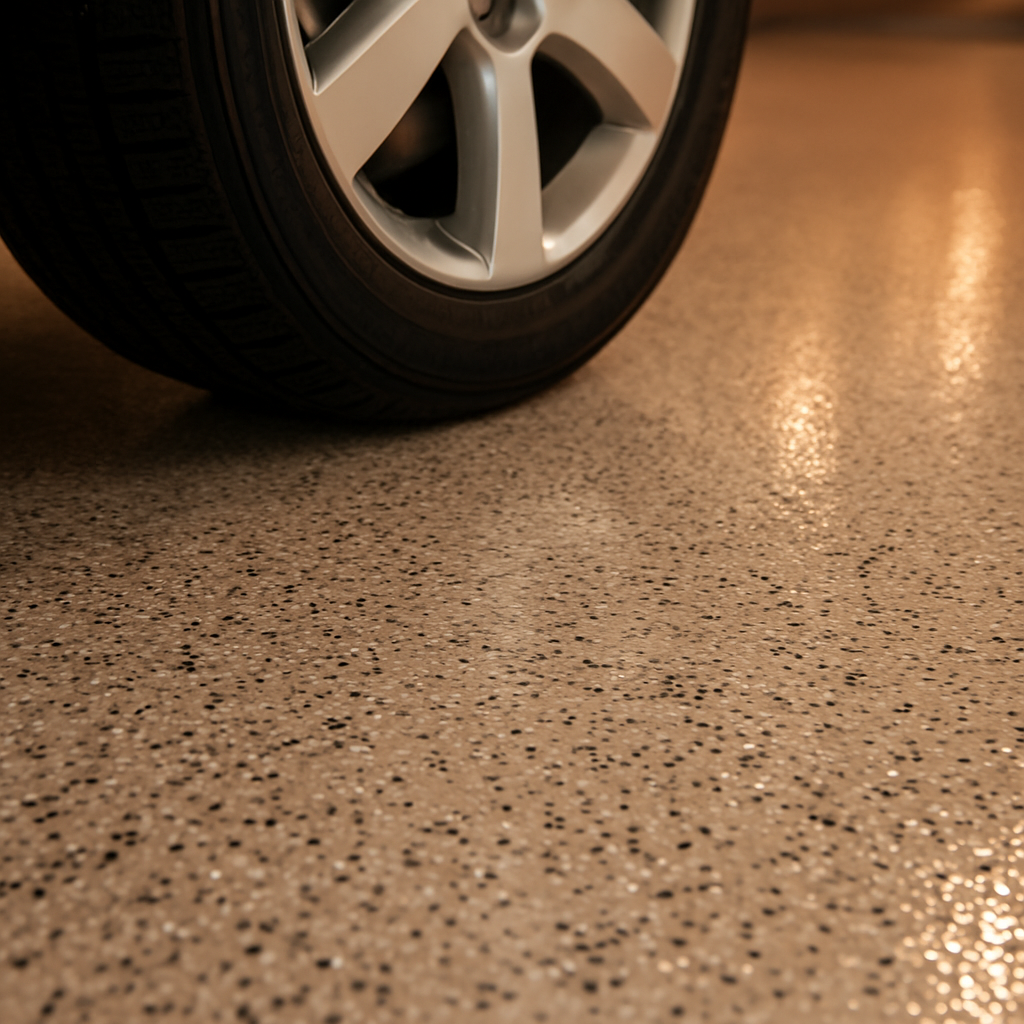
When you park a car, the tires are hot and they soften cheap coatings. As the tires cool, they grip the coating and literally pull it off the floor. A proper 100% solids epoxy and polyaspartic system is fully resistant to hot-tire pickup; thin DIY coatings are not.
UV exposure
Sunlight pouring in through an open garage door will yellow and degrade coatings that are not UV-stable. Bare epoxy ambers over time, which is why a UV-stable polyaspartic topcoat matters — especially at Colorado's elevation, where UV intensity is higher than at sea level.
Moisture
Moisture rising up through the slab can push a coating off from underneath. On slabs with moisture issues, we test first and, if needed, install a moisture-mitigating primer before the build. Skipping this step on a problem slab guarantees failure.
How to make your floor last longer
- 1Insist on diamond grinding, not acid etching, for surface prep.
- 2Choose a full system with a UV-stable polyaspartic topcoat.
- 3Have cracks and spalls properly repaired before coating.
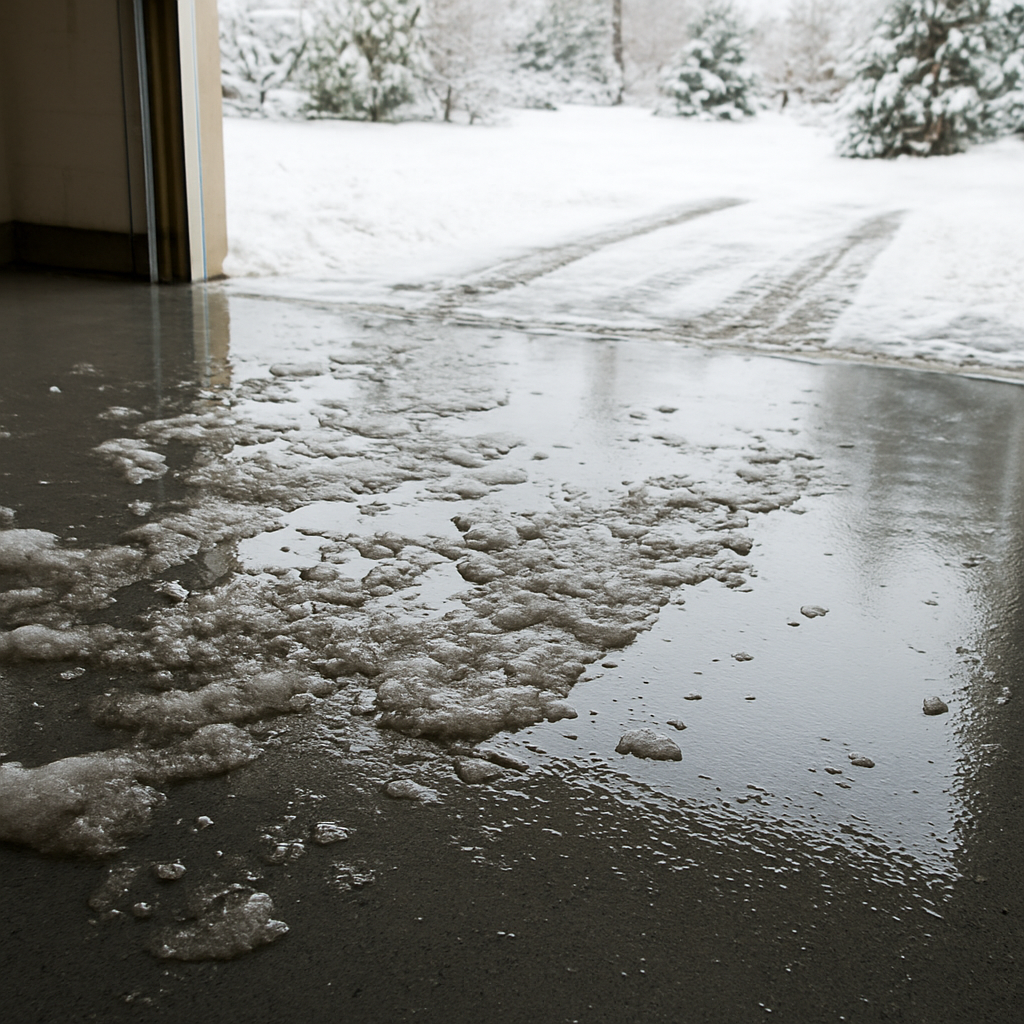
- 4Rinse off road salt and de-icer in winter to protect the finish.
- 5Use furniture pads under jacks and heavy stands to avoid point gouges.
We back our residential floor systems with a 10-year product and install warranty — because when prep and materials are done right, the floor simply does not let go.
Frequently asked
How long does an epoxy garage floor last?
A professionally installed epoxy flake floor with a polyaspartic topcoat lasts 15 to 20+ years. A single-coat professional epoxy lasts roughly 5 to 10 years, and a DIY big-box kit typically fails within 1 to 3 years.
What causes garage floor coatings to peel?
The most common causes are poor surface prep (coating over sealed or contaminated concrete), hot-tire pickup from thin coatings, UV degradation of non-UV-stable products, and moisture pushing up through the slab.
Do floor coatings come with a warranty?
Quality installers warranty their work. We offer a 10-year product and install warranty on residential floor systems because our prep and materials are designed to prevent the failures that cause peeling. It covers adhesion and material defects, not damage from negligence like cuts or scratches to the coating.
Ready for a floor that lasts?
Free on-site estimate and a written quote within 24 hours.