Key takeaways
- Epoxy is a thick, rigid, affordable base coat; polyaspartic is a fast-curing, UV-stable, flexible topcoat.
- The best garage systems use both — an epoxy base broadcast with flake, sealed with a polyaspartic topcoat.
- Polyaspartic resists yellowing in sunlight and cures in sub-freezing temperatures, which matters in Colorado.
- A pure DIY epoxy kit is the least durable option and usually fails within one to three years.
If you have started shopping for a garage floor coating, you have almost certainly run into the two biggest names in the industry: epoxy and polyaspartic. They are often pitched as competitors, as if you have to pick a side. In reality, they are different tools that do different jobs — and the best floors usually use both together. Here is what actually separates them, and how we decide which system to spec for a floor here in Northern Colorado.
What is epoxy?
Epoxy is a two-part thermosetting resin: you mix a resin with a hardener, a chemical reaction kicks off, and it cures into a hard, rigid plastic film bonded to your concrete. A true professional epoxy uses 100% solids resin, meaning almost none of the product evaporates as it cures — it builds a thick, durable layer. Epoxy is an excellent base coat because it bonds aggressively to properly prepared concrete and creates a strong foundation for flake and topcoats.
Its weaknesses are cure time and UV stability. Epoxy can take 12 to 24 hours between coats, and it is not UV-stable on its own — direct sunlight will eventually cause bare epoxy to amber or yellow. That is why epoxy is almost never the final layer on a quality floor.
What is polyaspartic?
Polyaspartic is a type of polyurea — a fast-curing, flexible, extremely durable coating. It was originally developed to protect steel bridges from corrosion, which tells you something about how tough it is. As a floor coating, polyaspartic cures in as little as one to two hours, stays clear and UV-stable for the life of the floor, and remains slightly flexible so it handles the expansion and contraction of a concrete slab without cracking.
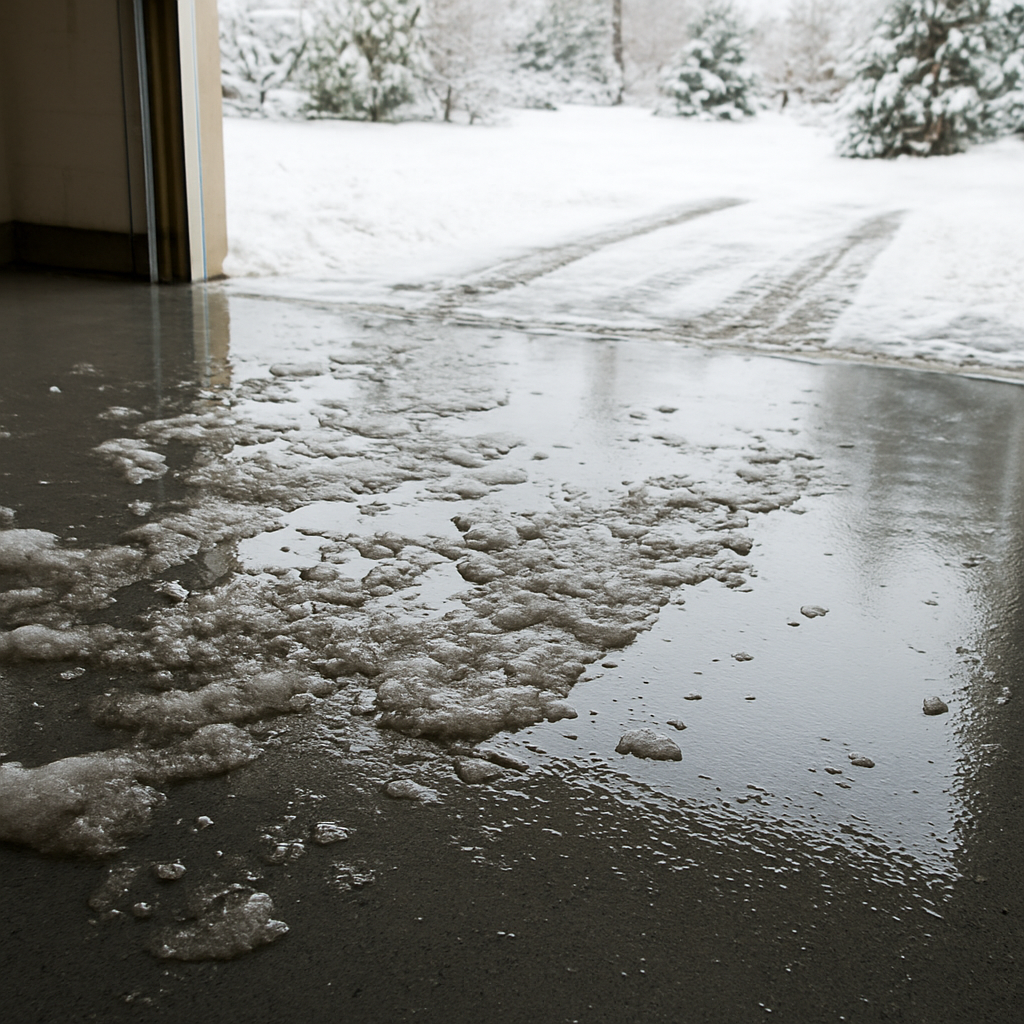
Polyaspartic also cures in a much wider temperature range than epoxy — including the sub-freezing conditions we see in a Colorado winter — which is a big reason it has become the gold-standard topcoat for garages in our climate.
The honest answer: use both
Marketing tends to frame this as 'epoxy floors vs. polyaspartic floors,' but a premium garage floor is rarely one or the other. The strongest, longest-lasting system we install is a hybrid:
- 1Diamond-grind the concrete and repair all cracks and spalls.
- 2Apply a 100% solids epoxy base coat for a deep, aggressive bond.
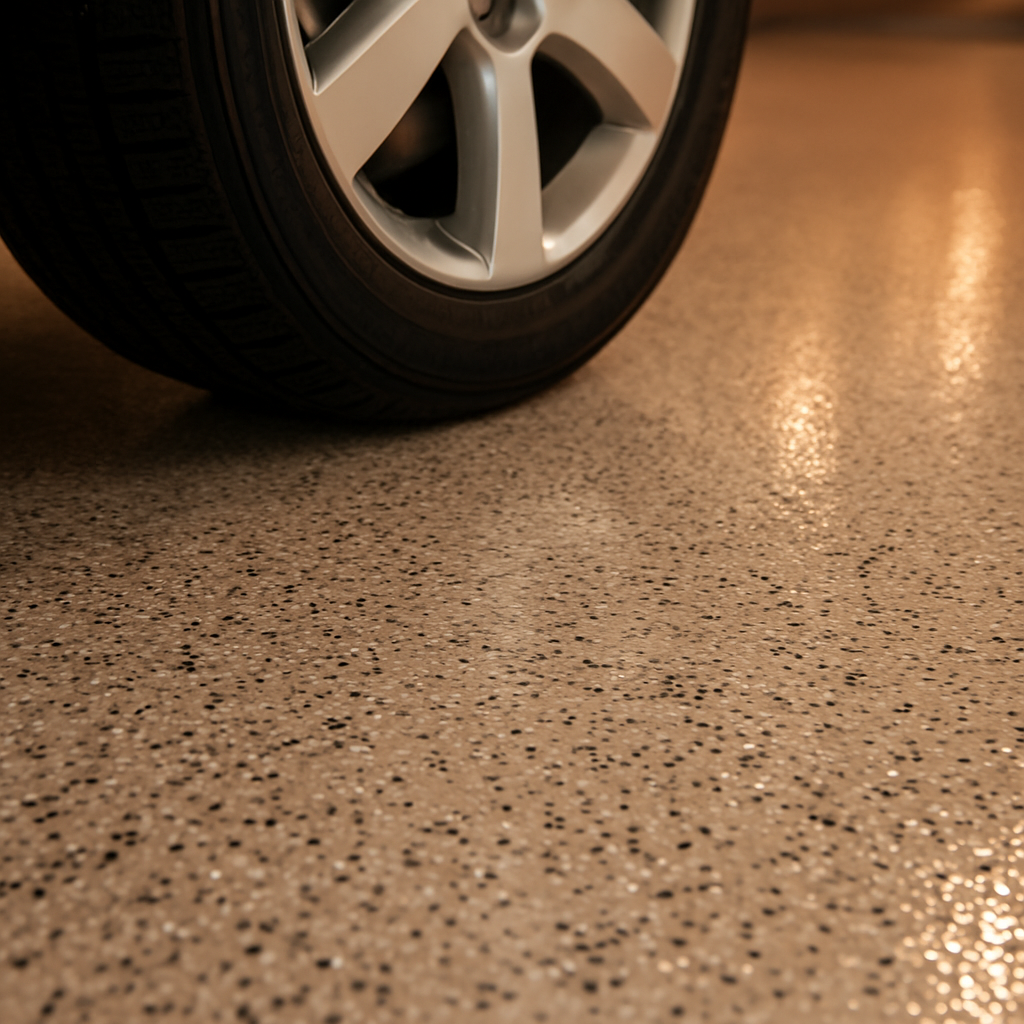
- 3Broadcast vinyl flake into the wet epoxy to full refusal for texture, grip, and color.
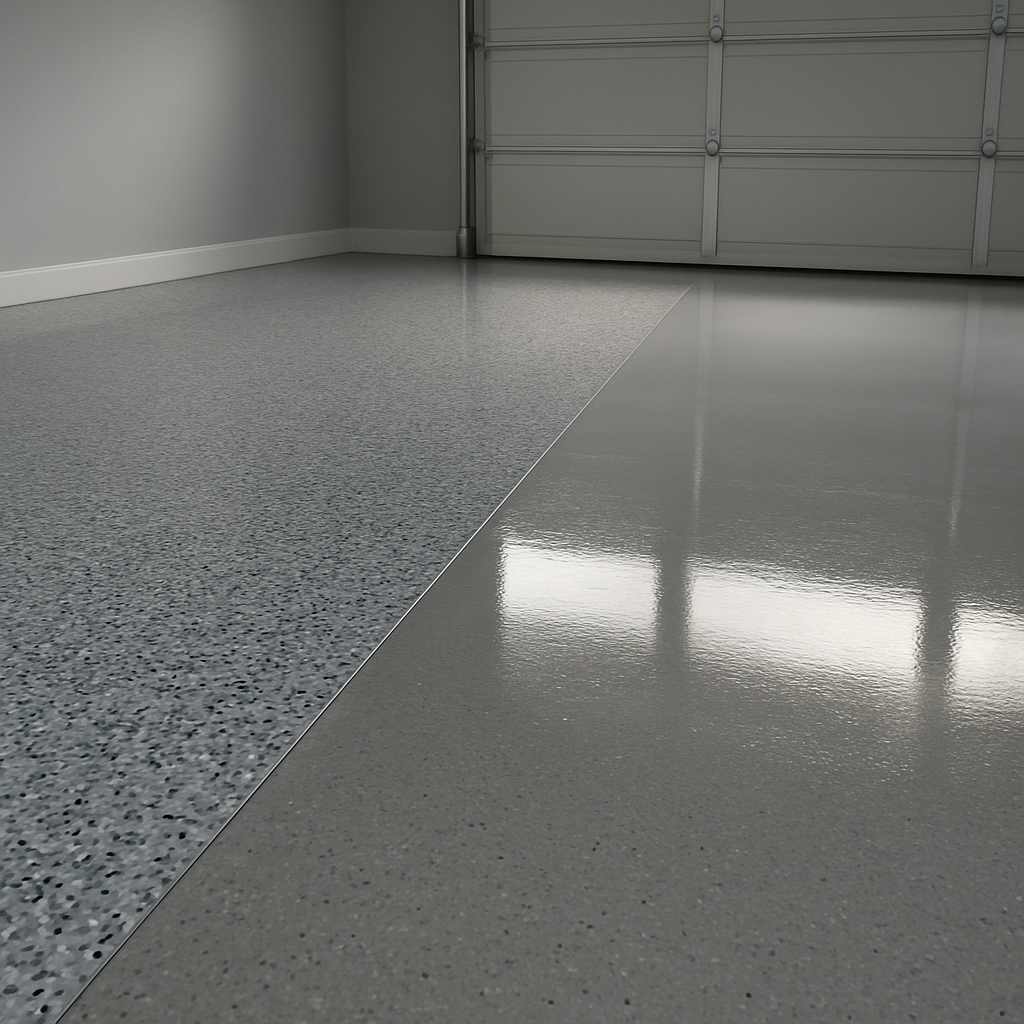
- 4Seal everything with one or two coats of UV-stable polyaspartic for clarity, chemical resistance, and abrasion resistance.
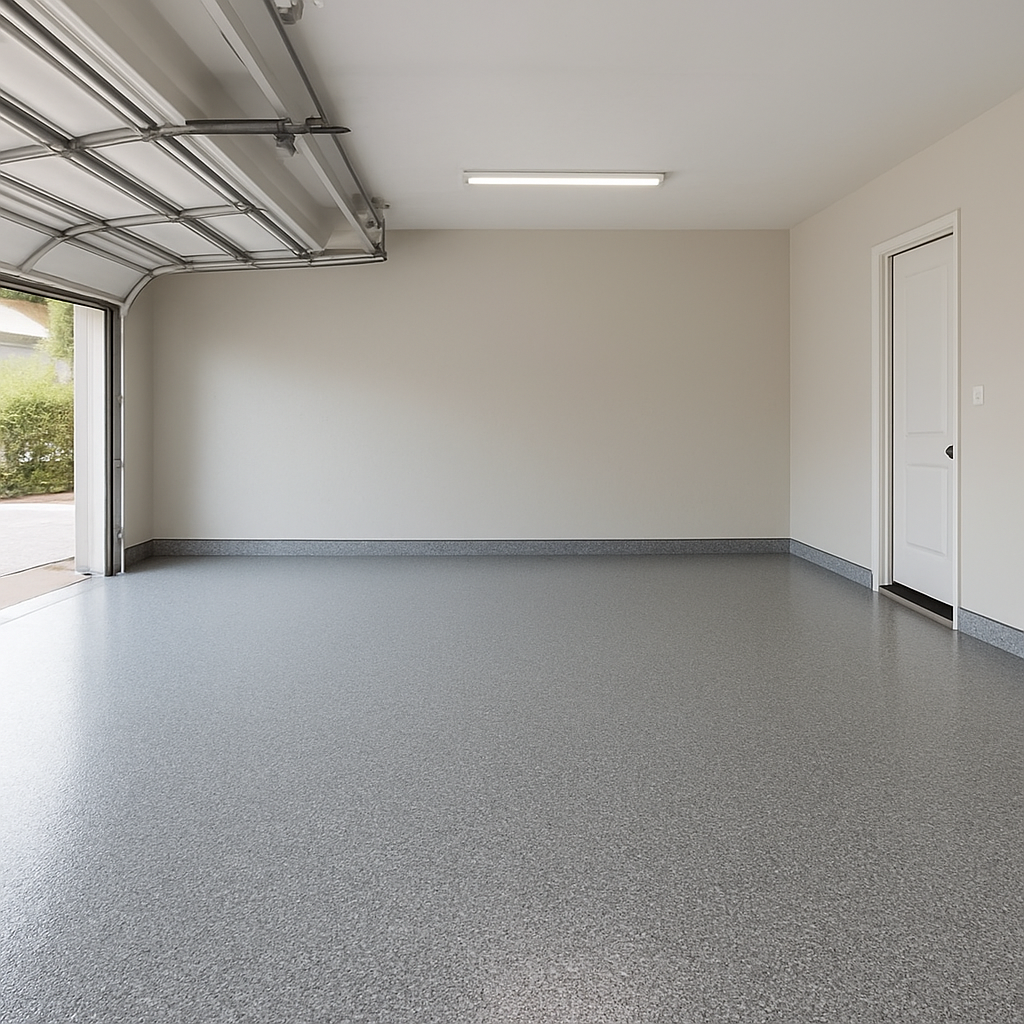
This gives you the best of both: the thick, bonded foundation of epoxy and the fast-curing, sunlight-proof, flexible armor of polyaspartic. It is also why a professional floor can be walked on the next day and driven on within a couple of days, while still lasting 15 to 20+ years.
When we recommend a full polyaspartic system
For commercial floors, shops, and any space that cannot afford downtime, we sometimes spec a full polyaspartic build with no epoxy at all. Because polyaspartic cures so quickly, a one-day install with same-day return to light traffic becomes possible. It costs more per square foot, but for a business floor, the reduced downtime usually pays for itself.
What to avoid
The one option we steer everyone away from is the big-box DIY epoxy kit. These use thin, water-based epoxy with no real surface prep beyond an acid etch, and they almost always peel, bubble, or hot-tire-lift within one to three years. If you want a floor that lasts, the coating chemistry matters far less than the prep and the installer — which brings us to the most important factor of all.
A great coating over bad prep will always fail. Average coating over great prep will outlast it every time.
Frequently asked
Is polyaspartic better than epoxy?
Polyaspartic is more UV-stable, cures faster, and stays flexible, while epoxy builds a thicker, more rigid base layer. Neither is strictly 'better' — the best floors use an epoxy base coat sealed with a polyaspartic topcoat to combine the strengths of both.
Can you put polyaspartic over epoxy?
Yes, and that is exactly how most premium garage floors are built. An epoxy base coat is broadcast with flake and then sealed with one or two coats of polyaspartic for UV stability and abrasion resistance.
Why does polyaspartic cost more than epoxy?
Polyaspartic resin is more expensive to manufacture and requires a faster, more skilled install because of its short working time. The payoff is faster cure, UV stability, and a longer service life.
Ready for a floor that lasts?
Free on-site estimate and a written quote within 24 hours.